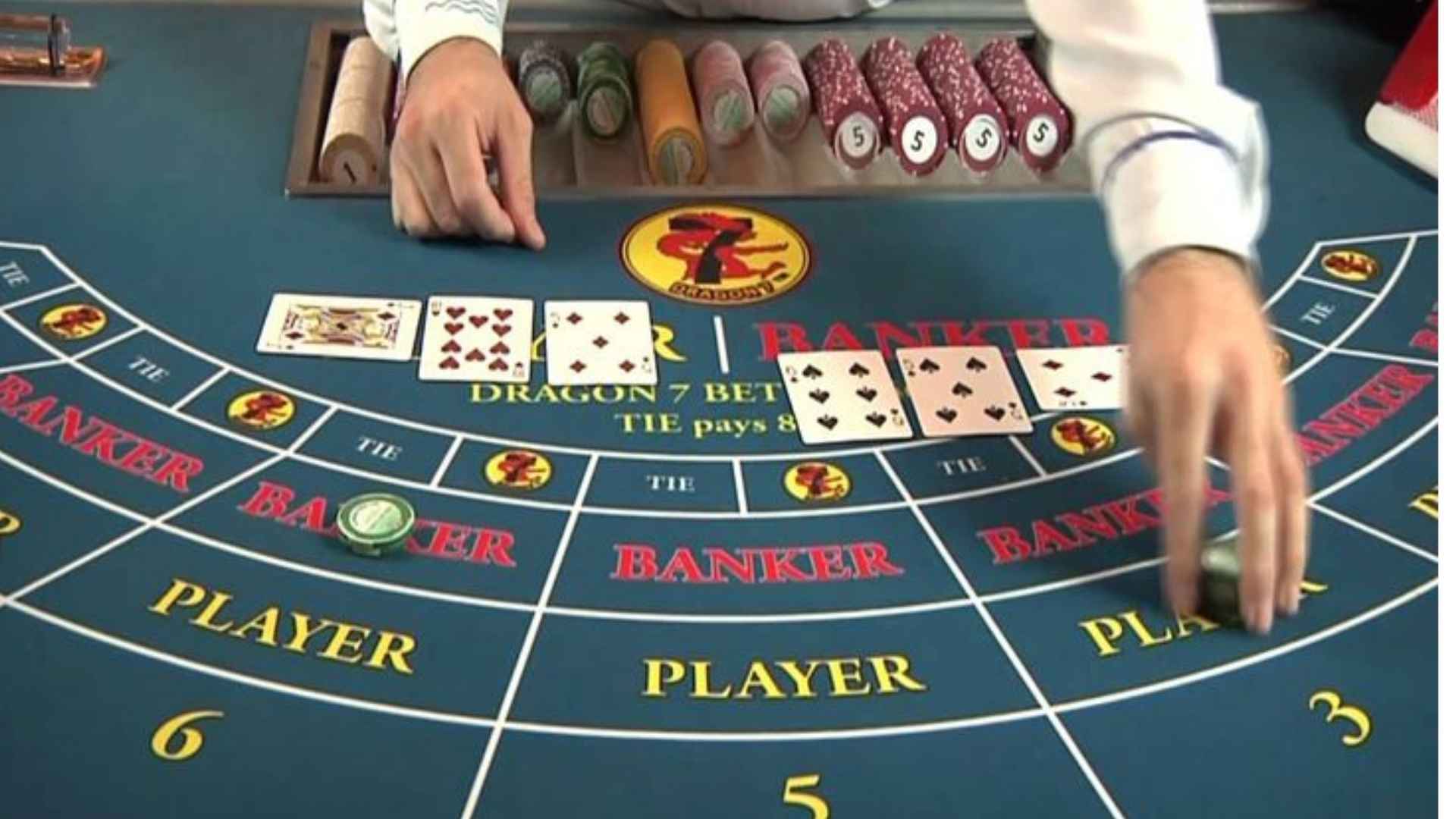
Mahjong is a game of profound depth where success relies on a combination of strategic planning and precise observation. Many developing players struggle to progress because they focus entirely on memorizing valid tile patterns rather than refining their decision-making processes. By shifting your approach toward intentional table habits, you can rapidly transform your understanding of the game flow and elevate your overall play style.
Analyzing the Core Elements of Tile Efficiency
The foundation of long-term improvement begins with mastering tile efficiency, which involves understanding how to reach a complete hand in the absolute fewest moves possible. Experienced players utilize structured concepts like the five-block theory to group their initial deals into highly functional sets and distinct pairs. This deliberate organization prevents costly visual mistakes and lets you identify redundant pieces early in the session.
Maintaining open blocks allows your hand to remain highly adaptable as new pieces enter the game. Removing unneeded tiles immediately maximizes your active waiting paths and keeps your trajectory flexible. Developing this systematic layout habit ensures that your hand develops at high velocity before your table opponents can establish their defenses.
The Psychological Assets of Flexible Gameplay
A primary mental hurdle for developing players is getting locked into a singular high-scoring pattern too early in a round. True tactical success requires great cognitive adaptability to pivot smoothly when your target pieces are discarded or claimed by others. Embracing emotional equilibrium prevents frustration from clouding your mathematical calculation processes during intense table situations.
Successful players treat their hand as an evolving puzzle rather than a rigid, unchanging target. This mental openness allows you to find new ways of approaching difficult table arrangements without losing your focus. To enhance your skills and review interactive strategies, you can use an optimized platform like M88.com login to track your progress and practice pattern recognition.
Mastering Active Table Observation and Discard Tracking
Moving past basic tile matching requires expanding your vision beyond your personal rack to observe the entire board dynamic. The open center area functions as a historical record of every tactical choice made throughout the match. Tracking the discard sequence helps you deduce which suits are being collected and which areas remain relatively safe from conflict.
Failing to monitor the open pool is a common misstep that severely limits your win potential. Professional players consistently calculate the realistic probability of finishing a combination based on visible live pieces. This active habit shifts your execution from pure guesswork to a deeply informed defensive and offensive framework.
Establishing Sustainable Daily Training Routines
Consistency is key when trying to build your analytical skills and transition into higher competitive circles. Devoting just fifteen minutes a day to solitary tile-sorting exercises can drastically improve your pattern familiarity and speed. Simulating high-pressure scenarios by setting a physical match clock trains your brain to make calm, rapid decisions.
Analyzing your completed hands after a session is another excellent way to pinpoint recurring tactical mistakes. Exploring popular regional rule variations also expands your knowledge base and introduces fresh perspectives on scoring. Enjoying this structured learning journey step by step is the ultimate way to master this timeless pastime.