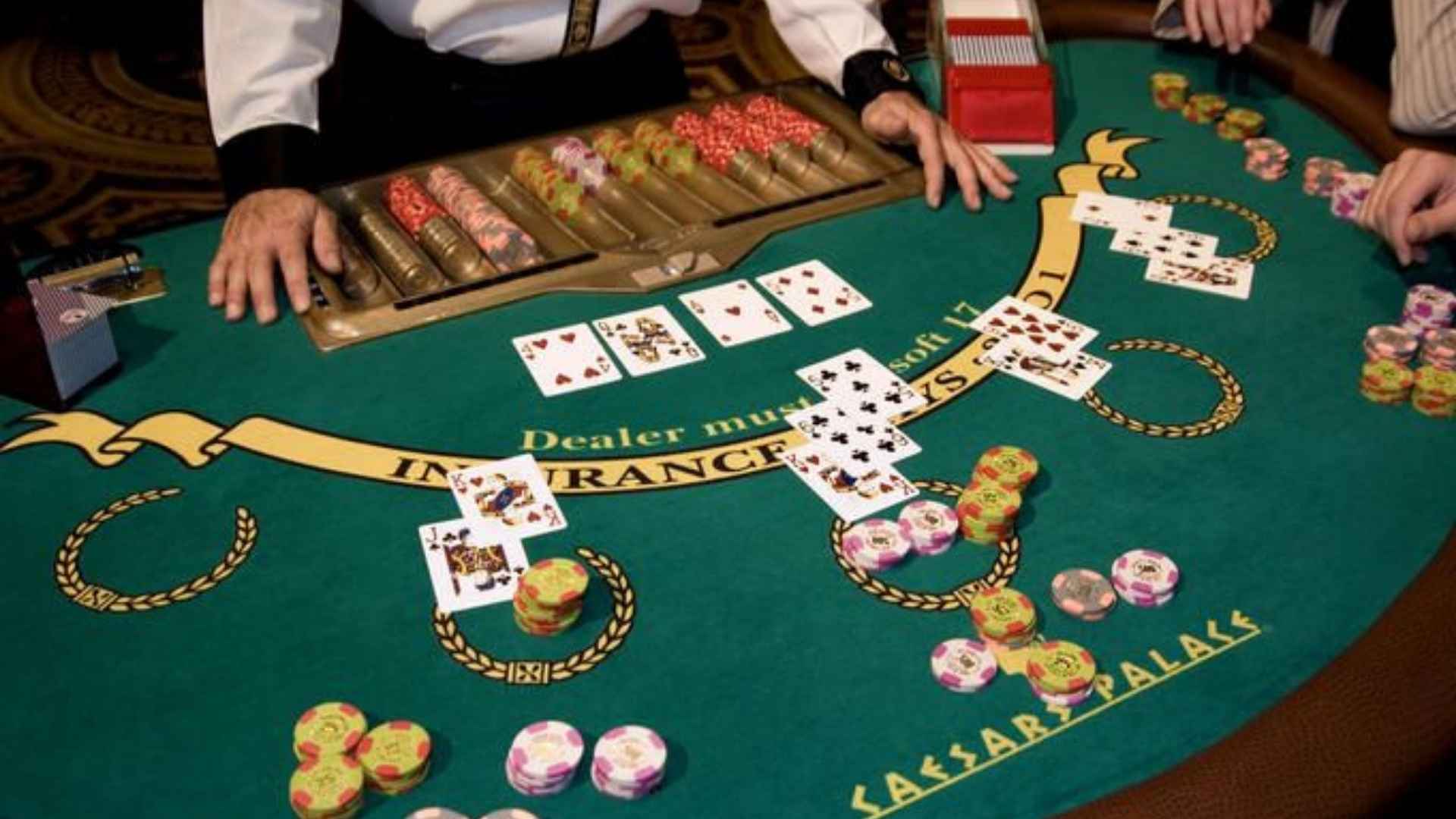
Sitting at a card table for the first time can feel incredibly overwhelming due to the rapid-fire dialogue exchanged between players. Understanding the precise terminology utilized during a match is just as critical as recognizing the structural hierarchy of your cards. This comprehensive guide details the essential verbal declarations that remove confusion and establish total clarity during live gameplay sessions.
Verbal Declarations that Govern Table Flow
Every active round moves forward through an established sequence of declarations that communicate your exact tactical intent to the dealer. When a participant decides to pass their immediate option without wagering chips, they announce a check to keep the game moving clockwise. Conversely, declaring a bet signals that you are committing an initial wager into the center to pressure remaining opponents.
If an opponent has already wagered, you must choose between matching the active stakes or surrendering your current hand entirely. Announcing a call means you are matching the highest previous wager to remain competitive in the round. If the current pressure becomes too substantial, declaring a fold allows you to exit the hand immediately without sacrificing additional resources.
Advanced Phrases for Tactical Adjustments
Beyond the fundamental table choices, experienced players use specialized terminology to describe multi-layered strategic concepts during a match. When a competitor chooses to execute a raise, they are significantly increasing the current wager size to isolate specific opponents. This immediate movement shifts the financial obligations of the remaining players, forcing them to adjust their baseline plans.
Many digital platforms provide secure settings to practice these real-time vocabulary choices in live scenarios. Accessing a verified M88.com login allows enthusiasts to safely observe high-level table interactions and refine their verbal responses. Developing a deep familiarity with these advanced phrases ensures you can process technical breakdowns without experiencing sudden hesitation.
Decoding the Board and Community Textures
Strategic card conversations heavily rely on unique expressions that describe how the community cards interact with individual holdings. The initial three community cards distributed face-up by the dealer are universally referred to as the flop. Recognizing how your personal cards connect with this initial layout helps you formulate a calculated game plan for the upcoming betting rounds.
As the round progresses, the dealer reveals the fourth community card, which is known as the turn or fourth street. This specific stage often introduces new variables that can dramatically alter the structural strength of existing hands. Finally, the river represents the fifth and final community card, forcing all remaining players to lock in their definitive strategic choices.
Understanding Risk and Value Distribution
The total collection of chips accumulated in the center of the table through active wagering is called the pot. Competitors constantly evaluate the size of this pool relative to their individual costs to calculate accurate mathematical probabilities. Understanding the relationship between potential reward and active risk is the ultimate foundation of disciplined table play.
Sometimes, forced contributions are required before the dealer even distributes the cards to ensure active participation. These initial structural wagers are known as blinds, which rotate around the table depending on your seating position. Recognizing how these forced variables impact your overall chip stack helps you maintain a highly balanced strategic approach throughout the session.
Psychological Terms and Sudden Variance
The mental landscape of competitive gameplay introduces unique expressions that describe deceptive tactical maneuvers at the table. A bluff occurs when a participant makes a significant wager with a weak hand, attempting to force superior cards to fold. Executing this specific tactic requires precise timing and an intimate understanding of opponent habits.
Conversely, experiencing an unexpected reversal where a highly favored hand loses on the final card is called a bad beat. This particular term encapsulates the inherent mathematical variance that defines long-term competitive gaming experiences. Learning to accept these sudden shifts helps serious players manage their emotional states and maintain proper analytical focus.