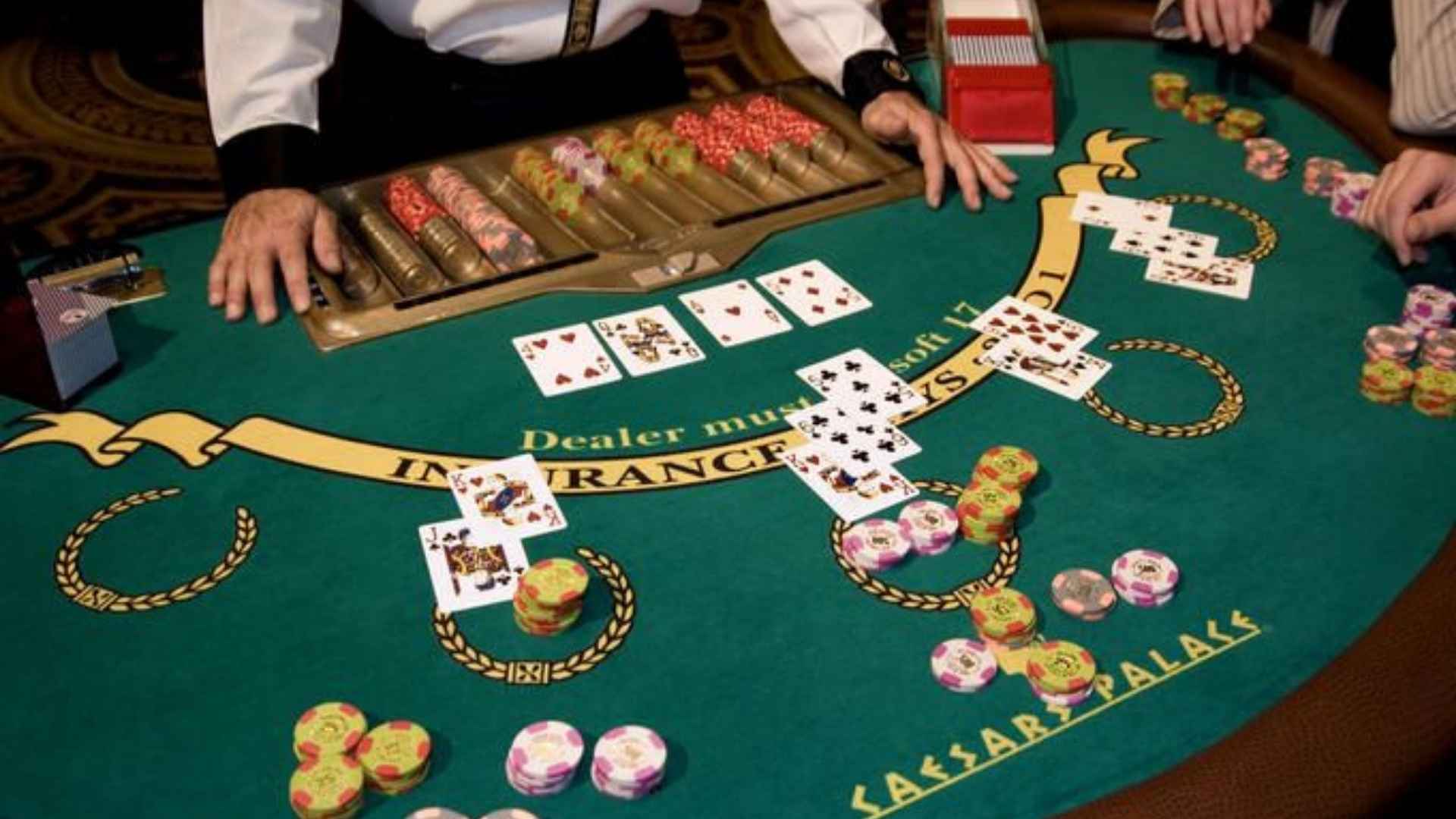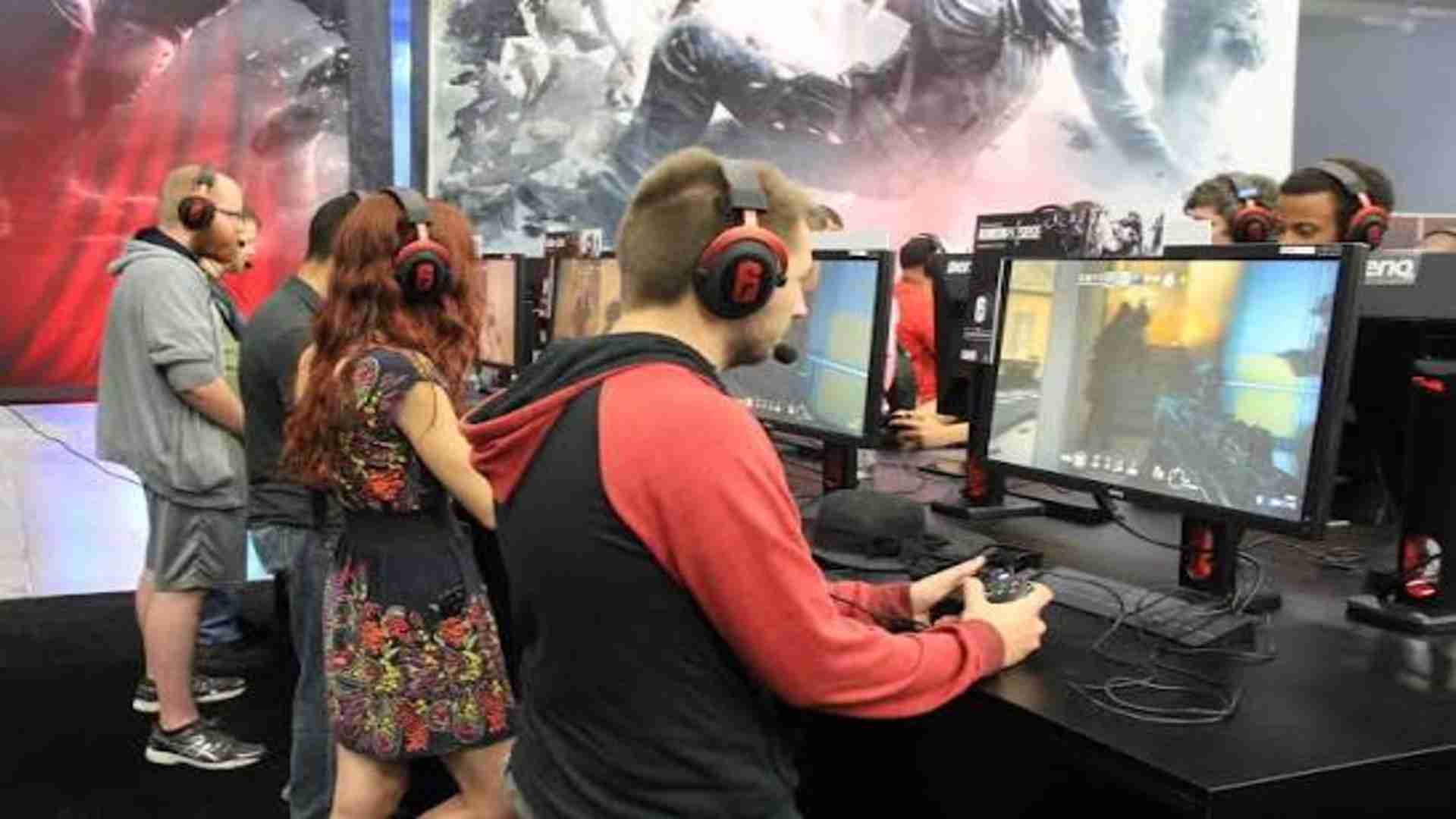
Entering a gaming session with heightened emotions often alters cognitive performance and strategic judgment. While frustration might seem like a temporary distraction, playing while angry creates psychological shifts that erode analytical thinking. Understanding these mental consequences helps players protect their focus and avoid emotional pitfalls during intense competition.
Impaired Cognitive Processing and Tunnel Vision
When anger takes over, the brain shifts focus toward immediate threats rather than long-term strategic evaluation. This reaction narrows a player's field of awareness, causing them to miss critical environmental cues and opponent behaviors. Consequently, logical decision-making gives way to impulsive reactions driven purely by emotion.
This heightened physiological state disrupts working memory and reduces processing speed during key moments. Players struggling with emotional strain often fail to calculate basic odds or recognize recurring patterns. Over time, this cognitive blind spot significantly decreases overall accuracy and performance quality.
The Breakdown of Emotional Control and Risk Management
Anger naturally increases risk tolerance, leading individuals to make overly aggressive choices to force a favorable outcome. Instead of sticking to disciplined tactics, an irritated participant may attempt reckless moves simply to reclaim a sense of dominance. This loss of emotional control frequently turns minor setbacks into severe long-term damage.
In competitive environments, maintaining stability requires reliable access to gaming platforms via resources like m88 link alternatif, alongside personal discipline. When emotional frustration overrides sound strategy, even seasoned competitors struggle to execute basic management rules. Recognizing these behavioral shifts is essential for stopping severe financial or tactical losses.
Accelerated Mental Exhaustion and Fatigue
Sustaining anger requires a massive amount of psychological and physical energy, rapidly draining cognitive stamina. As adrenaline levels spike and drop, players experience severe mental fatigue far quicker than they would during calm sessions. This rapid exhaustion further weakens analytical clarity and focus.
Fatigued minds are highly susceptible to repeating miscalculations and suffering from prolonged losing streaks. The combination of stress and exhaustion distorts judgment, making it difficult to assess when to step away. Recognizing fatigue early allows players to pause before emotional strain degrades their skill entirely.
Long-Term Psychological Erosion of Confidence
Repeatedly playing under the influence of frustration creates a cycle of negative outcomes that damages self-assurance. When poor choices lead to predictable failures, players often internalize these results as a lack of fundamental ability. This ongoing frustration weakens natural instincts and breeds persistent doubt.
Rebuilding lost confidence requires stepping back to restore emotional baseline control before returning to the table. Establishing clear mental boundaries prevents temporary anger from permanently altering a player's approach. Ultimately, emotional regulation remains the single most important factor for achieving sustainable competitive success.